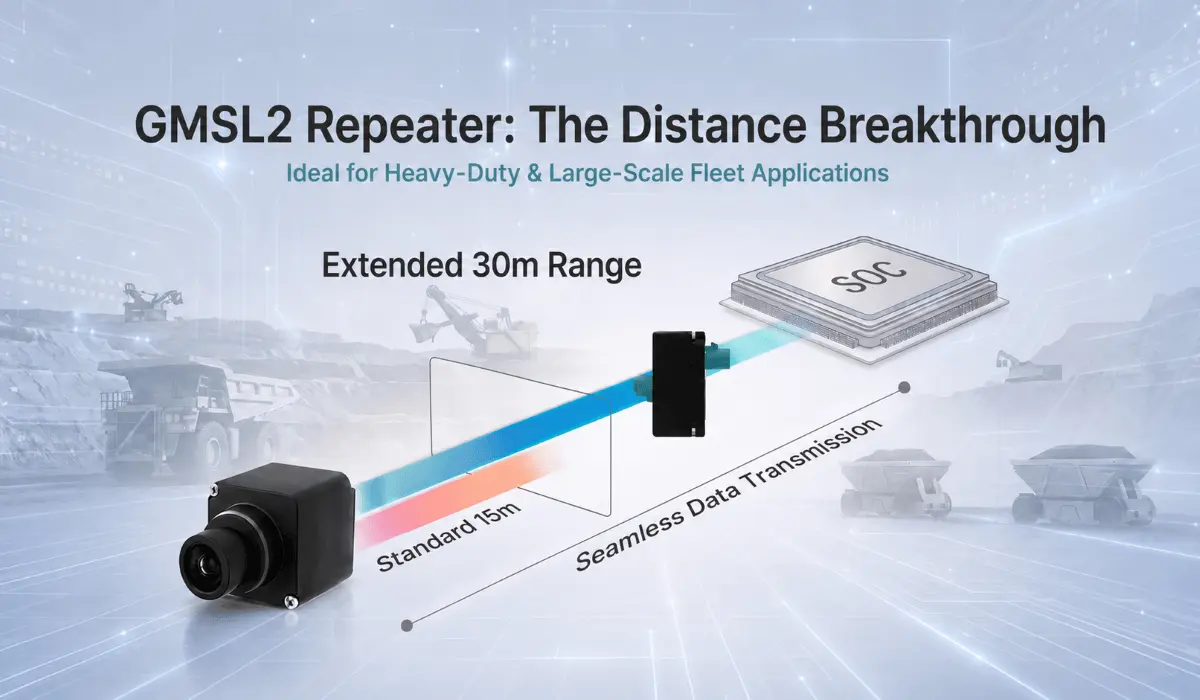
oToGuard: Integrated 360 Camera System and Level 2+ ADAS Solution for Buses and Trucks

-
home -
News & Events
News & Events -
oToGuard: Integrated 360 Camera System and Level 2+ ADAS Solution for Buses and Trucks
oToGuard: Integrated 360 Camera System and Level 2+ ADAS Solution for Buses and Trucks
oToGuard: Integrated 360 Camera System and Level 2+ ADAS Solution for Buses and Trucks
The Challenges of Traditional ADAS Integration
Heavy commercial vehicles, particularly city buses and electric buses operating in dense urban environments, are inherently prone to extensive blind spots. These vehicles face a significantly elevated accident risk due to long operating hours, frequent stops, complex interactions with pedestrians and cyclists, and the responsibility of carrying large numbers of passengers. As a result, public transit operators and fleet owners are under increasing pressure to improve safety performance and operational efficiency through Advanced Driver Assistance Systems (ADAS).
However, integrating ADAS into existing bus fleets is rarely straightforward. In practice, operators often encounter several critical challenges, especially when deploying safety technologies across large-scale, regulation-driven public transportation systems.
1. Complex and Space-Consuming Installation
Traditional implementations rely on multiple independent modules, each requiring its own wiring, ECU, and mounting location. This fragmented architecture consumes valuable cabin and chassis space while increasing the risk of system interference or installation failure.
2. Supplier and Quality Management Challenges
Managing a fragmented supply chain with various vendors leads to inconsistent hardware quality and complicated logistics. This diversity increases operational complexity and drives up the total cost of ownership due to scattered technical support channels.
3. Lack of Scalability
Many conventional ADAS systems are built on closed or proprietary architectures with limited software upgradability. As safety regulations evolve and fleet operational needs change, expanding system capabilities, such as adding new ADAS functions or upgrading AI algorithms, often requires hardware replacement or major system redesign. This limited scalability increases costs and restricts long-term adaptability for fleet operators.
4. Poor Video Integration and Synchronization
In traditional multi-camera setups, video streams are processed independently across separate modules. Without a centralized system architecture, achieving accurate time synchronization and seamless data fusion becomes difficult. This can result in delayed, misaligned, or inconsistent visual information, undermining real-time situational awareness and reducing the effectiveness of AI-based decision-making.
5. Suboptimal Image Quality
ADAS performance is highly dependent on image quality. However, conventional camera systems often struggle under extreme lighting conditions, such as glare, low-light environments, or adverse weather including rain and fog. Insufficient sensor performance and limited dynamic range reduce detection accuracy, directly impacting the reliability of AI-based object recognition, driver monitoring, and safety alerts.
oToGuard: Revolutionizing Fleet Safety with Integrated Intelligence
To address these industry-wide challenges, oToBrite introduces oToGuard, the world’s first all-in-one ADAS solution specifically engineered for heavy commercial vehicles. Equipped with an automotive-grade ECU (TI TDA4), eight high-resolution cameras, and proprietary vision-AI deep learning technology, oToGuard delivers comprehensive, real-time perception for both the vehicle’s exterior and interior.
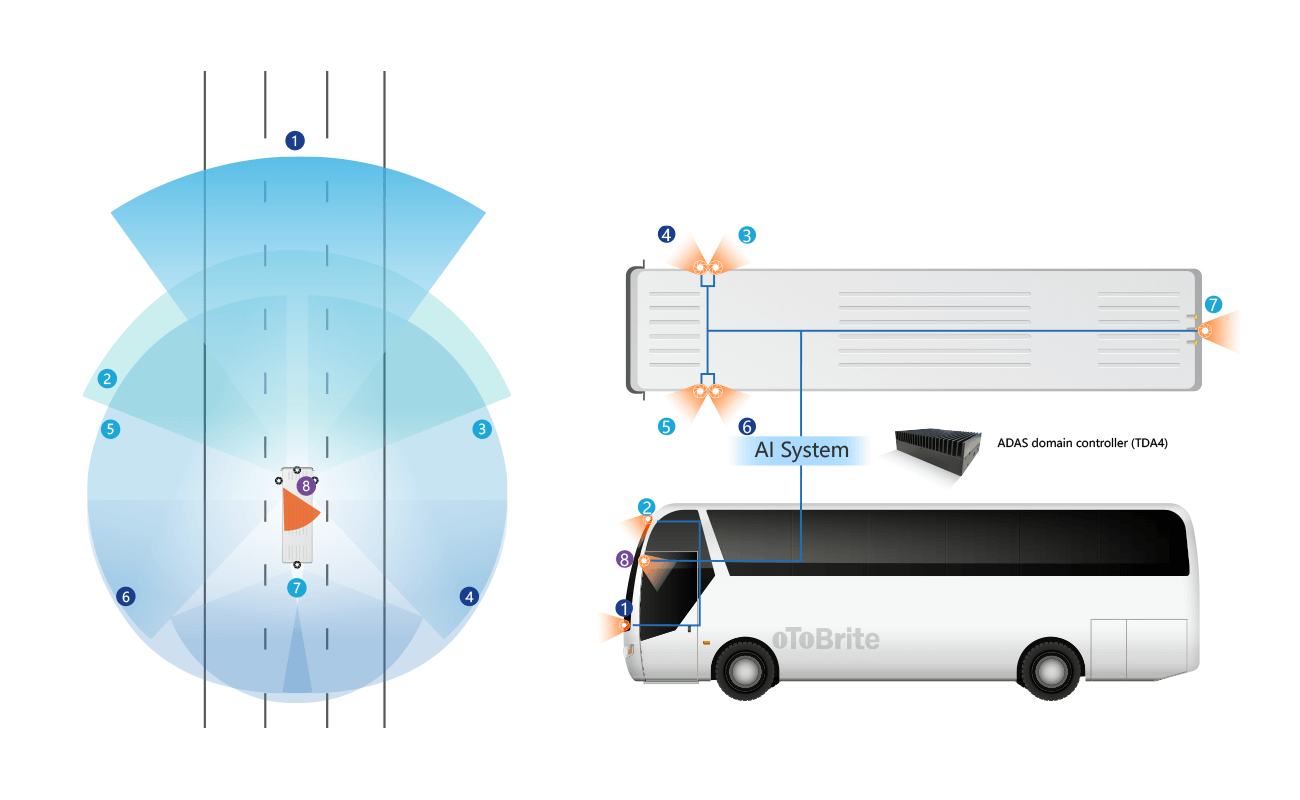
Figure 1. Comprehensive Perception Architecture and 8-Camera Placement
Powered by robust Vision-AI algorithms, oToGuard can accurately detect and classify a wide range of objects, including vehicles, pedestrians, two-wheelers, lane markings, and other road elements, to support multiple safety and driver-assistance applications.
By consolidating multiple safety functions into a single high-performance system, oToGuard eliminates the limitations of traditional fragmented setups through the following core capabilities:
1. Integrated 360° & In-Cabin Sensing
oToGuard utilizes a centralized hardware architecture to provide total situational awareness without blind spots:
- Front View (2 Cameras): Designed as a Level 2+ ready forward perception module, the front cameras support FCW and LDW (UN R130) and MOIS (UN R159) with a detection range of up to 100 meters. Beyond Level 0 warning functions, the architecture is fully prepared to support UN R79 steering-related features, including CSF, ESF, ACSF-B1, and ACSF-C, enabling advanced lateral control in complex urban driving scenarios.
- Side View (4 Cameras): The side cameras provide dual-side BSIS protection in compliance with UN R151, detecting vulnerable road users within a 40-meter range. In addition to blind spot monitoring, the system is engineered to support Level 2+ Lane Change Assist (LCA) under UN R79 (ACSF-C), offering enhanced lateral awareness and active assistance for large vehicles operating in dense traffic environments.
- Rear View (1 Camera): Enables rear-view monitoring and integrates with other feeds for a seamless Around View Monitoring (AVM) experience.
- In-Cabin (1 IR Camera): Monitors the interior using 3D facial landmark tracking to identify over 100 drivers and categorize various driving behaviors.

Figure 2. Four Display Modes for Different Driving Scenarios
2. Full-Spectrum ADAS Support (Level 0–2+)
The system seamlessly integrates a wide range of functions—from Level 0 warnings (AVM, BSD, DMS, FCW, LDW, MOIS, REIS) to Level 2+ active assistance (LCA, LKA). With high-precision lane detection (accuracy < 20 cm) even on curves with a radius exceeding 250 meters, oToGuard ensures reliable performance in complex driving scenarios.

Figure 3. Operational Parameters and UN Regulatory Compliance Overview
3. Precision Event Recording
Beyond active safety, the system facilitates superior fleet oversight. It features built-in, time-synchronized (< 3ms) event-triggered recording, ensuring that all 8 camera feeds are perfectly aligned for precise accident reconstruction and driver behavior analysis.
4. Simplified Architecture for Rapid Deployment
oToGuard’s highly integrated system architecture allows all camera feeds to be seamlessly integrated with DVR systems. This design significantly reduces wiring complexity and minimizes the number of cameras required per vehicle, effectively lowering installation costs and ongoing maintenance efforts.
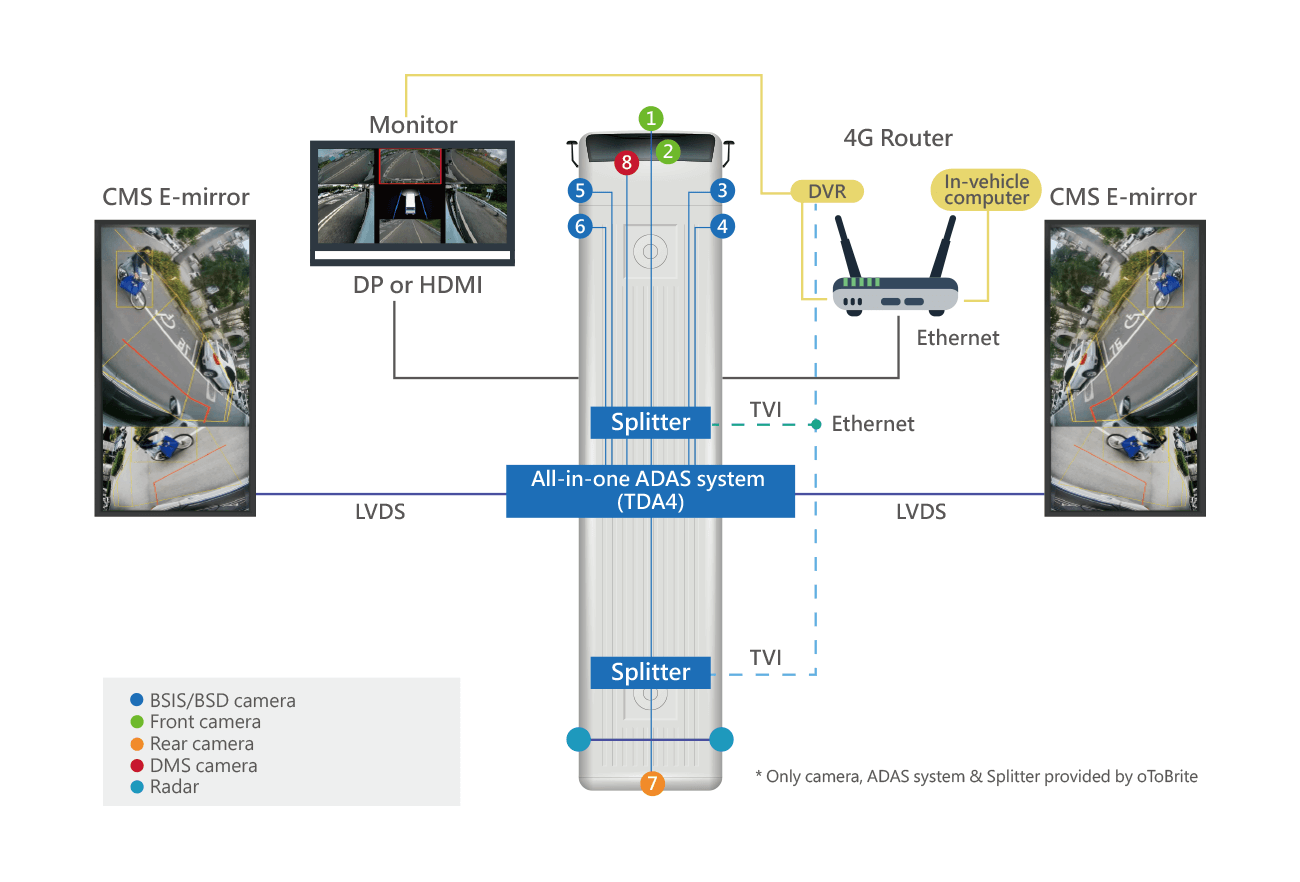
Figure 4: oToGuard System Architecture and Integration Diagram
5. Advanced AI Driver Monitoring
Powered by 3D facial landmark AI tracking, oToGuard recognizes up to 100 authorized drivers. The system precisely monitors and categorizes over 10 distinct driver behaviors, such as fatigue, distraction, smoking, and mobile phone usage, to effectively mitigate risks associated with human error.
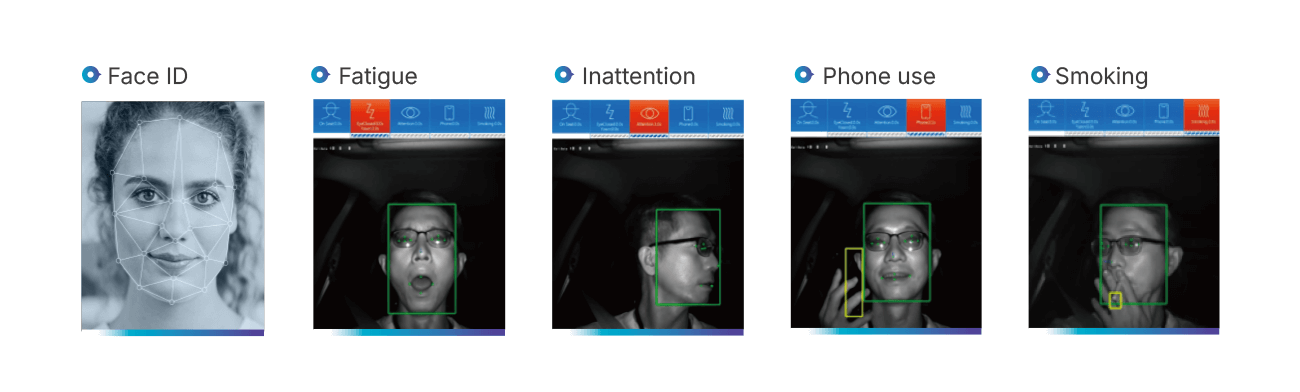
Figure 5. Driver Monitoring with 3D Facial Landmark Tracking and Behavior Classification
6. Global Regulatory Compliance
Designed for international deployment with a strong focus on urban buses and electric buses, oToGuard fully complies with key UN regulations for heavy commercial vehicles, including UN R130, R151, R158, and R159. Its Level 2+ ADAS capabilities also meet UN R79 requirements for steering equipment (CSF, ESF, ACSF-B1), enabling safe and compliant operation in complex city traffic scenarios.
Demonstrating its market-ready reliability in public transportation, oToGuard has already successfully assisted three major electric bus manufacturers in obtaining official homologation for UN R130, UN R151, and UN R79 (CSF, ESF, ACSF-B1). This established track record positions oToGuard as a trusted ADAS solution for bus fleets worldwide, supporting operators in meeting stringent safety regulations and advancing urban mobility safety standards.
7. High-Efficiency AI with Optimized Computing Power
A standout feature of oToGuard is its exceptional algorithmic efficiency. Through advanced model compression and optimization techniques, oToBrite has significantly reduced the computational load required for deep learning without compromising high-precision recognition rates.
While traditional systems often require massive processing power to handle multiple AI streams, oToGuard’s architecture allows all 8 camera modules to run simultaneous AI models using only 8 TOPS of computing power. This efficiency ensures high-speed, real-time performance and lower power consumption, making it an ideal solution for electric buses where energy efficiency is critical.
The Future of Fleet Safety: Centralized Intelligence and Proven Compliance
As regulatory requirements tighten and fleet operations grow increasingly complex, the shift from piecemeal solutions to a centralized, intelligence-driven approach is essential. oToGuard represents this evolution, transforming ADAS from standalone functions into a cohesive safety and management system.
The result is enhanced situational awareness, reduced complexity, and total readiness for future operational demands. Ultimately, oToGuard empowers fleet operators and OEMs to move beyond passive compliance toward proactive risk reduction and sustainable safety—paving the way for smarter commercial transportation worldwide.
For further information, please visit the oToGuard webpage or contact oToBrite.
Original Source:
This article was originally published on EE Times. Please refer to the original article here: https://www.eetimes.com/otoguard-integrated-360-camera-system-and-level-2-adas-solution-for-buses-and-trucks/